Have you ever noticed that luxury cars rarely have names that sound like actual names? Walk past a Toyota showroom, and you will spot a Camry, Corolla, or Highlander. Stop by a Ford dealership, and you will see a Mustang, Explorer, or Bronco. These names create images in your mind before you even see the car.
Now look at luxury brands. BMW sells the 330i and X5. Mercedes offers the C-Class and GLE. Audi has the A6 and Q8. At first glance, these names seem cold, confusing, and strangely robotic. Look deeper and you will see that this is one of the smartest marketing strategies of the automotive industry.
The Brand Matters More Than the Car

Sunrise / Pexels / Big-name luxury automakers sell something beyond transportation. They sell status, reputation, and identity.
In this world, the badge on the hood carries more weight than the name on the trunk.
When someone says, "I drive a Mercedes," most people immediately form an impression. They think about success, comfort, and prestige. The exact model often becomes a secondary detail because the brand already tells most of the story.
That idea has guided luxury car companies for decades. Their goal is to make customers emotionally attached to the brand itself. The vehicle becomes part of a larger family rather than a standalone product.
This approach creates powerful loyalty. Owners who enjoy one BMW are more likely to upgrade to another BMW later. The focus stays on the brand relationship instead of a specific model name.
Why Numbers and Letters Work so Well?
At first, names like BMW 540i or Audi Q7 seem like random combinations. They are actually designed to communicate information in a simple and structured way.
Luxury buyers often appreciate order and hierarchy. A numbering system instantly shows where a vehicle sits in the lineup. Someone familiar with BMW knows a 7 Series sits above a 3 Series. The larger number signals a more expensive and prestigious model.
This creates a subtle social language. Car enthusiasts can quickly identify the difference between an entry-level luxury sedan and a flagship model. Meanwhile, casual observers simply recognize the premium badge.
The system also helps manufacturers expand their lineups without constantly inventing new names. Instead of creating dozens of unique identities, they can build a clear family structure that customers understand over time.
The Hidden Logic Behind BMW, Mercedes, and Audi Names
Nema / Unsplash / BMW established its modern naming structure in the early 1970s. The first number indicates the vehicle series.
The remaining numbers traditionally referred to engine size, though today they usually represent performance levels instead.
A BMW 530i, for example, belongs to the 5 Series family. The higher number suggests more power than a 520i. Add xDrive to the badge, and it indicates All Wheel Drive. Place an ‘M’ at the front, and you are looking at a performance-focused model.
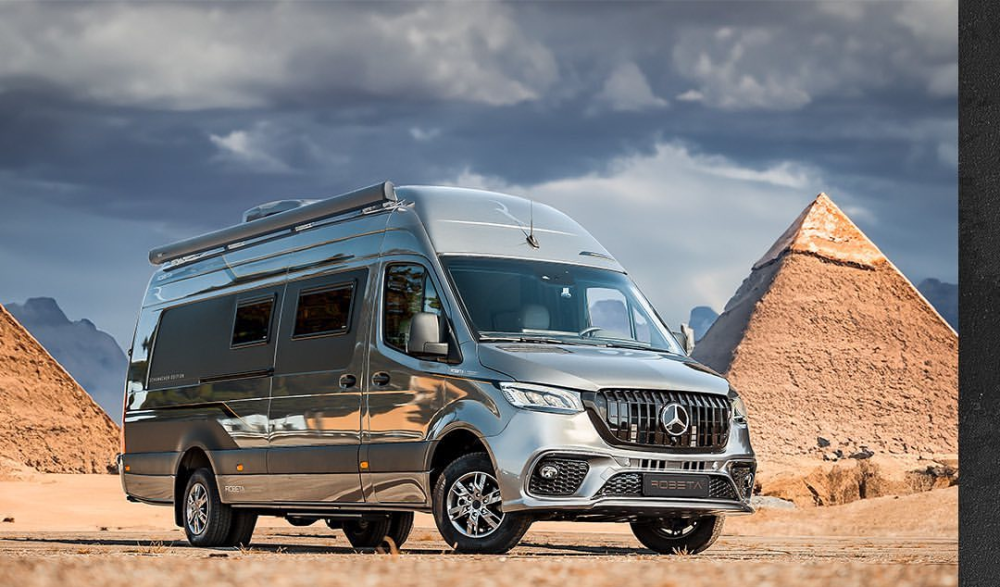
Mercedes follows a similar approach. The C-Class sits below the E-Class, which sits below the S-Class. SUV models use names like GLA, GLC, and GLE, creating a recognizable ladder of luxury and size.
Likewise, Audi keeps things equally structured. The A models are sedans, while the ‘Q’ models are SUVs. Higher numbers generally mean larger and more premium vehicles. For customers who understand these systems, the badges act almost like shorthand. They communicate a surprising amount of information without needing long descriptions.
A Ford Mustang needs personality. A Toyota Highlander needs a distinct identity. These brands often rely on model names to spark emotions and attract attention in a crowded market. The name itself becomes part of the sales pitch. Mustang suggests excitement. Explorer hints at adventure. Wrangler brings rugged outdoor imagery to mind.