Luxury car seats used to mean one thing: Thick leather stitched to perfection. That smell, that shine, that soft feel, it defined premium for decades. Buyers expected it, brands marketed it, and designers built entire interiors around it.
That standard is changing fast. Carmakers now chase performance, sustainability, and smarter design. Leather is no longer the automatic choice for high-end cabins. New materials feel just as rich and often perform better.
Consumers care about climate impact more than ever. Automakers know this shift is real and long-term. They are investing serious money into materials that look good, feel great, and cut emissions. Luxury now includes a conscience.
Mercedes-Benz Bets on Bio-Based Performance
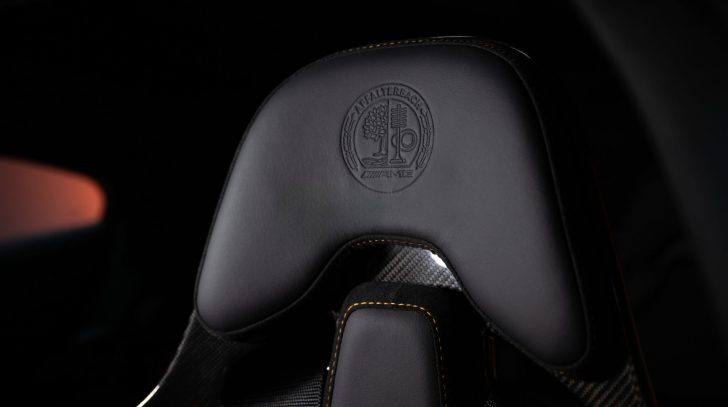
Car Talks / One of the boldest moves comes from Mercedes-Benz. The brand teamed up with Modern Meadow to create INNOVERA, a leather alternative built for the high-performance Concept AMG GT XX.
Mercedes-AMG presents the CONCEPT AMG GT XX
This is engineered from recycled AMG GT3 racing tires blended with plant-based proteins and biopolymers. The result is a material that feels premium and performs beyond expectations. It is lighter than traditional leather, fully waterproof, and breathable. Its tensile strength is twice that of many conventional options. Designers can finish it like nubuck or full-grain leather, and factories can use existing production lines without major changes.
INNOVERA contains more than 80% renewable carbon content. That number matters in a world pushing for carbon neutrality. The use of chemically recycled racing tires adds a circular twist that fits modern sustainability goals. Waste becomes luxury, and performance does not suffer.
This approach shows that eco-friendly does not mean boring. High-end buyers still want style and durability. Mercedes proves that sustainability can sit comfortably in a supercar cabin without feeling like a compromise.
Hyundai Turns Grain Into Luxury
Hyundai Motor Company is taking a different path. Through its innovation arm, Hyundai Cradle, the brand partnered with Uncaged Innovations to develop a grain-based leather alternative. Instead of animal hides, this material uses grain proteins engineered to mimic collagen.
The look and feel stay familiar, but the process behind it changes completely. Production can generate up to 95% fewer emissions compared to traditional leather tanning. It can also use 89% less water. Those numbers represent a serious cut in environmental impact.
Traditional leather depends on cattle farming, which links directly to deforestation and heavy water use. Grain-based materials rely on agricultural byproducts and smart bioengineering. Even natural dyes made from coffee beans come into play, reducing chemical use.
Hyundai’s move speaks to a new generation of buyers. Many drivers want luxury without the baggage of animal agriculture. They want interiors that align with their values, not just their taste. Grain-based leather gives them that option without sacrificing comfort or style.
This shift also protects supply chains from volatility. Livestock markets fluctuate, and environmental regulations tighten each year. Bio-based materials offer more control and predictability, which matters for global production.
The Seat Is Changing From the Inside Out
LinkedIn / Seat innovation goes deeper than the surface layer. Lear Corporation has introduced FlexAir, a 100% recyclable, foam-free cushioning system.
Instead of petroleum-based foam, FlexAir uses a 3D loop structure made from polyethylene.
Traditional seat foam is difficult to recycle and relies heavily on fossil fuels. FlexAir changes that model completely. The material is lighter, breathable, and designed for full recyclability at the end of its life. That shift supports a true cradle-to-cradle approach.
FlexAir can reduce seat weight by up to 20%. Lower weight improves fuel efficiency in combustion cars and increases range in electric vehicles. It can also cut CO2 emissions by up to 50% compared to traditional foam systems.