

Luxury used to scream for attention. Giant logos covered handbags. Flashy watches peeked out from tailored sleeves. Private jets and front row seats became social media trophies. Wealth was loud, public, and impossible to miss.
That attitude is fading in 2026. The richest consumers now want something completely different. They want distance from cameras, silence from notifications, and protection from endless attention. In fashion, travel, and technology, privacy has become the real flex.
Today, privacy is no longer a niche obsession for billionaires hiding behind gates. It has become a full luxury category. Wealthy consumers now treat anonymity as a status symbol. The less visible they are, the more powerful they appear.
Fashion Moves From Attention to Protection
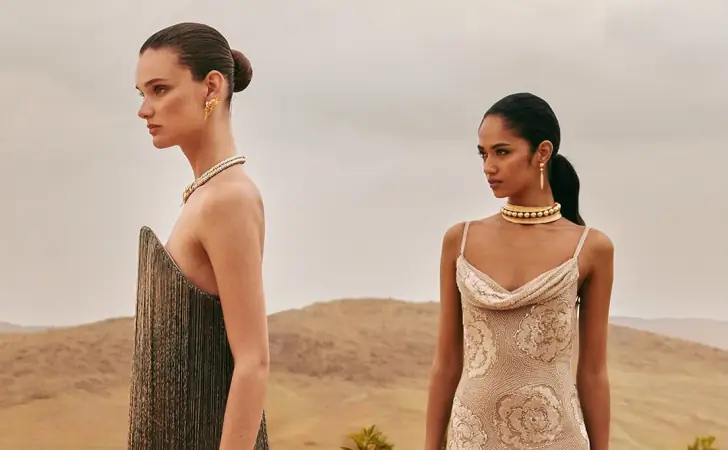
Every dinner gets photographed. Every airport arrival becomes content. Rich consumers are exhausted by visibility, and fashion brands have noticed.
Luxury now focuses on comfort, privacy, and emotional protection. Designers are creating clothes that feel personal instead of performative. The mood has shifted from public display to private escape.
Louis Vuitton’s Spring/Summer 2026 collection captured this perfectly. The show took place inside private apartments at the Louvre instead of a giant theatrical venue. Models wore soft robes, flowing slips, and cocoon-shaped silhouettes that felt intimate and relaxed. The collection looked less like red carpet fashion and more like elevated sanctuary wear.
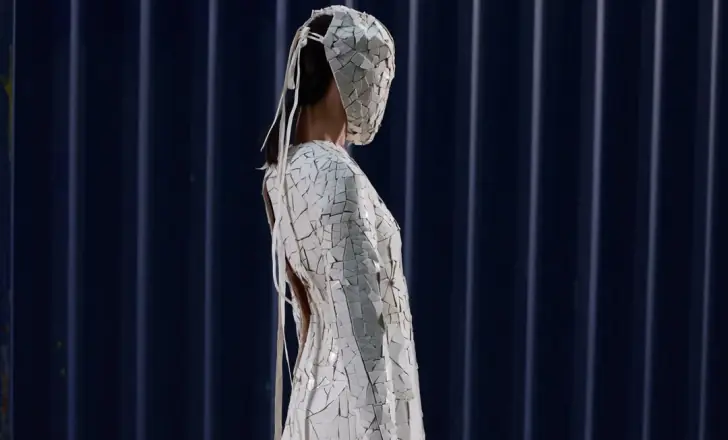
Fashion’s fascination with anonymity has become impossible to ignore. Designers are now using masks as symbols of status, control, and protection. On the Fall 2026 runways, faces almost disappeared completely.
At McQueen, models carried porcelain versions of their own faces. The effect looked eerie and theatrical, but the message felt sharp. Identity itself became removable. The collection questioned the pressure of always being visible and emotionally available.
Maison Margiela pushed the idea even further. Models wore wax, lace, and leather masks that fully covered their faces. Anonymity became part of the brand’s visual language. Instead of showing personality, the collection erased it.
The trend reached peak satire with Matières Fécales and its collection titled “The 1%.” Models walked with dollar bills taped over their eyes. The message landed hard. Extreme wealth now buys the ability to disappear from public scrutiny while everyone else remains exposed.
This obsession with masks goes beyond aesthetics. Wealthy consumers increasingly fear surveillance, facial recognition technology, and biometric tracking. Cameras follow people through airports, stores, hotels, and city streets. Fashion is responding by turning concealment into luxury.
The new elite status symbol is no longer recognition. It is invisibility!
Digital Privacy Is Becoming a Luxury Product
Companies want more data, more tracking, and deeper insight into consumer habits.
Many affluent consumers are pushing back hard. Vogue Business surveys show growing frustration with AI-driven shopping recommendations and targeted advertising. People are tired of feeling watched online.
The wealthiest users now pay to avoid surveillance completely. They subscribe to encrypted services, disable tracking tools, and move toward ad-free platforms. Paid versions of YouTube, Instagram, and private social apps continue growing because rich consumers value control over convenience.
This creates a new digital divide. Privacy itself now costs money. Consumers with resources can escape aggressive data collection while everyone else remains part of the advertising machine.
The travel industry has adapted quickly to this new mindset. Luxury hospitality brands now market privacy before glamour.
Five-star travellers still want exceptional service, but they no longer crave crowded social spaces or highly visible experiences. They want calm environments that protect their time and mental energy.
Private villas, hidden entrances, and low-visibility service models are becoming standard in high-end hospitality. Guests want the freedom to disconnect without interruption. They want quiet spaces where interaction feels optional instead of constant.


