
The Italian fashion world lost one of its last true originals. Valentino Garavani, known simply as Valentino, has died at 93. He passed away peacefully at his home in Rome, the city where his dream became a global empire.
For nearly fifty years, Valentino shaped how glamour looked, felt, and moved. He believed in beauty, discipline, and clothes that made women feel unforgettable.
View this post on Instagram
His name became shorthand for elegance, his color became a symbol, and his legacy now belongs to fashion history.
From Small Town Dreams to Paris Discipline
Hollywood movies lit the spark early, filling his imagination with satin gowns and dramatic entrances.
At 17, he ventured from Italy to Paris with little more than courage. At the Chambre Syndicale de la Couture Parisienne, rules were strict, and mistakes costly. Apprenticeships under Jean Dessès and Guy Laroche sharpened his skills and taught him the language of precision.
Rome beckoned in 1959. Valentino opened his fashion house on Via Condotti, just steps from the Spanish Steps. Elegance defined his clothes, but success was gradual. Money was tight, and confidence wavered. Everything shifted a year later.
He met Giancarlo Giammetti, a 19-year-old architecture student with logic and instinct in equal measure. Their bond became lifelong—personal and professional. Giammetti ran the business; Valentino focused on beauty. Together, they created something extraordinary.
The Design Maestro Believed in Beauty
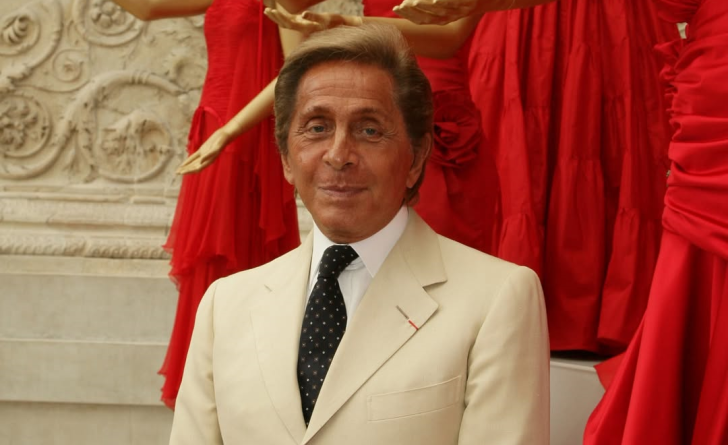
Valentino / IG / Valentino Clemente Ludovico Garavani was born on May 11, 1932, in Voghera, a quiet town in northern Italy. He was named after the silent film star Rudolph Valentino, which felt like fate.
Valentino never aimed to shock. He wanted to please. He claimed to know what women wanted—and he did. His designs were understated yet powerful. Valentino red appeared early and never left. Bows, lace, ruffles, and embroidery followed. Silhouettes flowed; craftsmanship remained flawless.
Women trusted him with major moments. Jacqueline Kennedy wore Valentino for her 1968 wedding to Aristotle Onassis. Audrey Hepburn, Elizabeth Taylor, and Sophia Loren followed. Later, Julia Roberts and Gwyneth Paltrow continued the tradition. Princess Diana and Queen Rania chose him for the same reason.
Red carpets were his stage. His gowns photographed beautifully and endured gracefully over time. He didn’t make costumes—he designed confidence.
The business grew carefully. Ready-to-wear, menswear, and accessories arrived without diluting identity. In 1998, the brand was sold to the Italian group HdP for roughly $300 million. Later, Qatari firm Mayhoola took over. Valentino retired in 2008, on his own terms.
Today, the house continues under creative director Alessandro Michele. Kering holds a minority stake with an option for full ownership later this decade. The brand still trades on elegance, not noise.
Farewell to Fashion’s Last Emperor
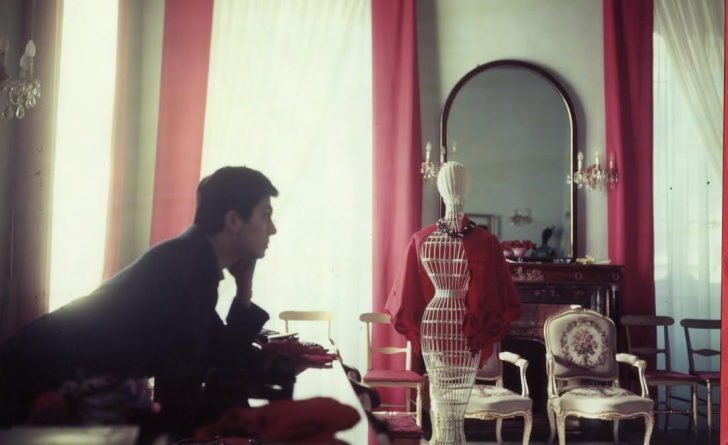
Valentino / IG / The Valentino fashion house confirmed he passed peacefully, surrounded by family. Designers, editors, and models shared memories of a man who valued discipline as much as dreams.
Alessandro Michele called him a man who expanded what fashion could be. He spoke of delicacy, rigor, and an endless love for beauty. Those words fit. Valentino cared deeply about details others ignored.
A recent Paris Haute Couture Week show felt like a goodbye written in fabric. Michele’s Spring 2026 couture collection, titled Specula Mundi, honored Valentino’s love of cinema. The show opened with a recording of Valentino’s voice. Models appeared inside glowing boxes inspired by early film devices. The gowns nodded to Old Hollywood fantasy.
His story was captured in the 2008 documentary “Valentino, The Last Emperor.” The film showed his final years at the helm, his high standards, and his refusal to compromise.


